
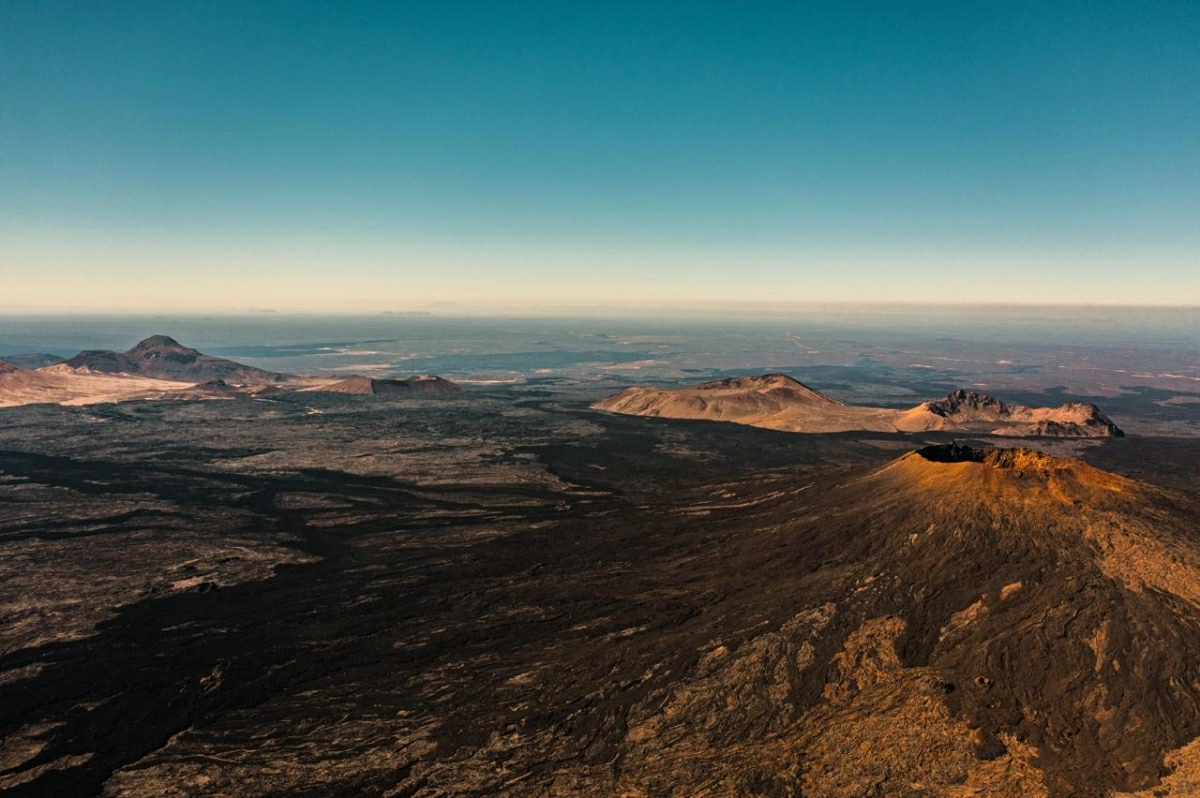
RCU registers Harrat Al Rass Al Abyad Nature Reserve in global protected areas database
ALULA — The Royal Commission for AlUla (RCU), in coordination with the National Centre for Wildlife, announced on Tuesday the official registration of Harrat Al Rass Al Abyad Nature Reserve in both the National Database of Protected Areas and the World Database on Protected Areas (WDPA).Located in Khaybar Governorate in the Madinah region, the reserve's registration marks a significant milestone in efforts to conserve its distinctive biodiversity and rare geological formations.Covering an area of 600 square kilometers, Harrat Al Rass Al Abyad is the sixth reserve within RCU's protected area network (APAN), which spans a total of 12,107 square kilometers.The registration reflects RCU's continued efforts to expand its protected area network, document its natural assets and strengthen their management through scientific approaches that support long-term sustainability.The reserve is situated within Harrat Khaybar, one of the largest volcanic fields in the Arabian Peninsula, where white volcanoes stand alongside black basalt fields, creating a distinctive geological landscape.The white formations derive their distinctive color from comendite volcanic rocks, setting them apart from the surrounding landscape.Harrat Khaybar is home to three rare white volcanoes — Jabal Al Bayda, Jabal Al Abyad and Jabal Al Mansaf — highlighting the area's scientific significance in studying geological diversity and the history of volcanic activity.The reserve falls under Category III of the International Union for Conservation of Nature (IUCN) protected area management categories, which focuses on protecting natural features and their associated biodiversity and habitats.It is also home to Umm Jirsan Cave, one of Saudi Arabia's longest lava tube systems, extending approximately 1,481 meters.Preliminary surveys conducted by RCU have recorded approximately 99 plant species, 14 mammal species, 18 reptile species and 59 bird species, including the endangered Egyptian vulture.The surveys have also identified suitable habitats for the mountain ibex. Species inventories and data collection remain ongoing to deepen understanding of the reserve's ecological assets and identify conservation priorities.The reserve's development was guided by environmental, geological and cultural assessments conducted between 2022 and 2024 in collaboration with the IUCN.The assessments resulted in an operational management plan for 2024–2029, providing a framework for conservation, management and monitoring activities to safeguard the site's natural and cultural heritage.RCU continues to pursue further international recognition for the area, including efforts to meet the requirements of UNESCO Global Geoparks and the IUCN Green List.These initiatives aim to strengthen geological heritage conservation and enhance the effectiveness of protected area management.The reserve's registration forms part of RCU's 10-year ecosystem restoration strategy and its broader efforts to protect natural habitats, conserve biodiversity and safeguard geological heritage.These efforts align with the Saudi Green Initiative's target of protecting 30% of the Kingdom's terrestrial and marine areas by 2030.